01
Intake
Clarify the job, domain, buyer, tenant model, and first production route.
A dispatch room for the parent company: one operating model, seven live platforms, and an agentic build system that turns ideas into deployed SaaS units.
[DISPATCH] APB treats every platform like a unit on the board: assigned callsign, known domain, current status, and a next action.
[ROSTER] Each unit keeps its own market, funnel, and mission, while APB supplies the operating system behind the build.
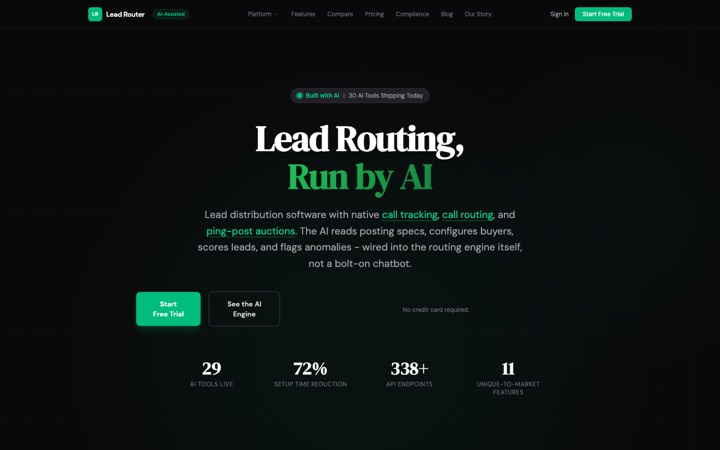
Lead routing, ping-post, distribution, and billing across the iScale fleet.
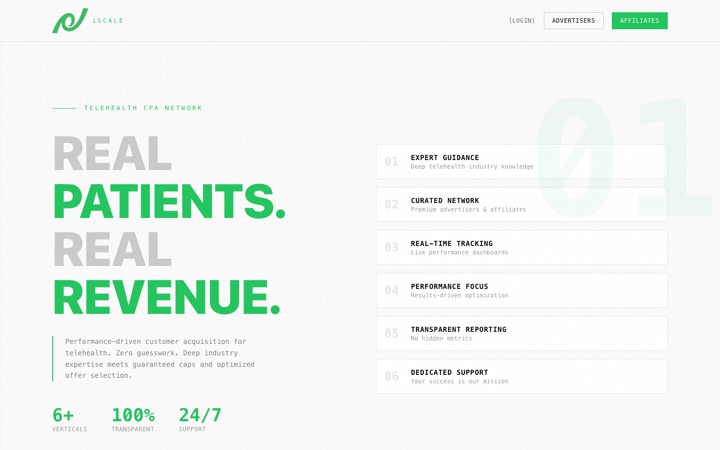
Portfolio headquarters and the company layer behind the operating model.
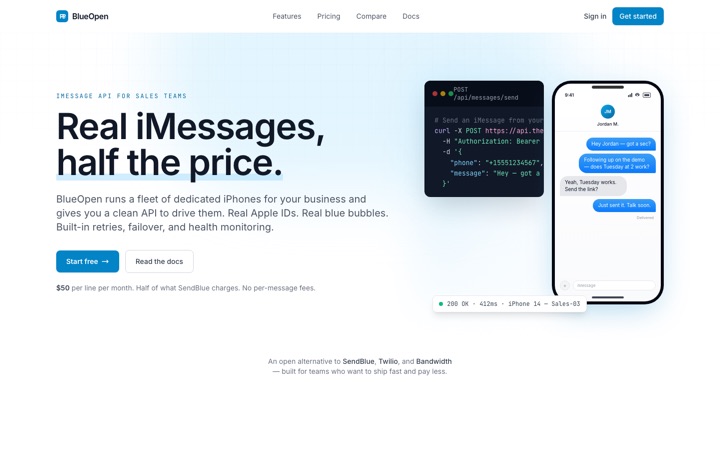
Multi-tenant iMessage sending with real device pools and campaign controls.
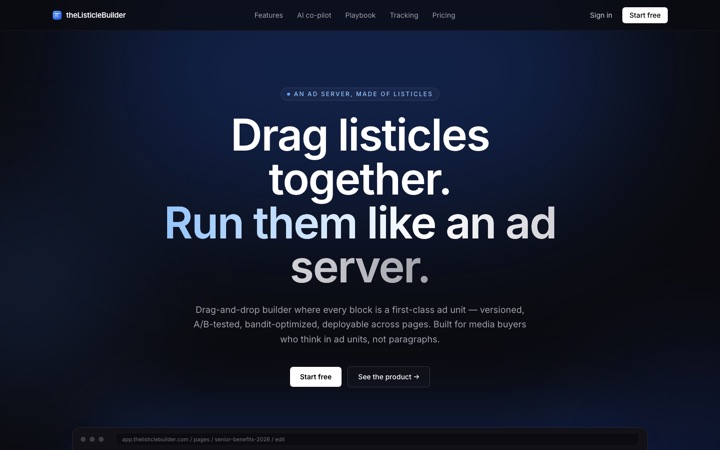
Multi-tenant content and ad-unit builder for niche media properties.
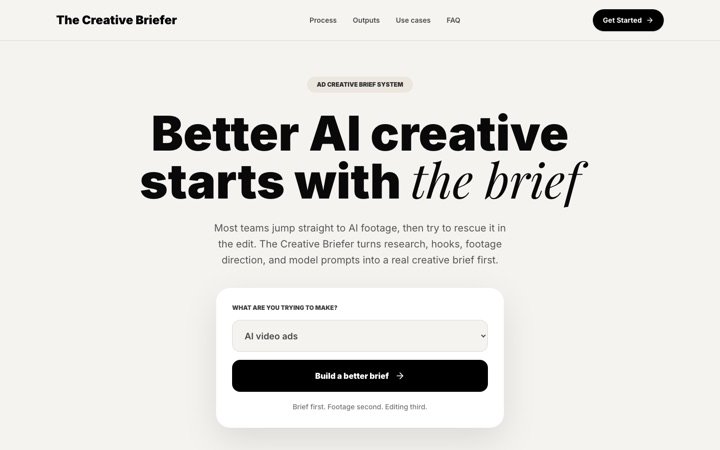
AI video-ad brief pipeline from campaign premise to usable creative direction.
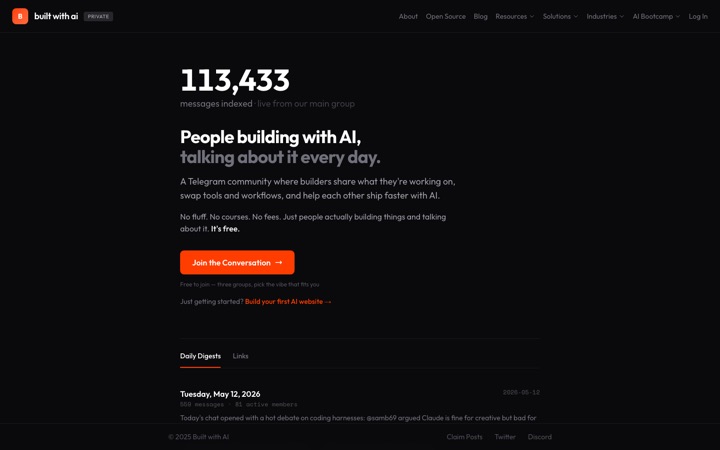
AI tools, SDK notes, and community intelligence from builders in the field.
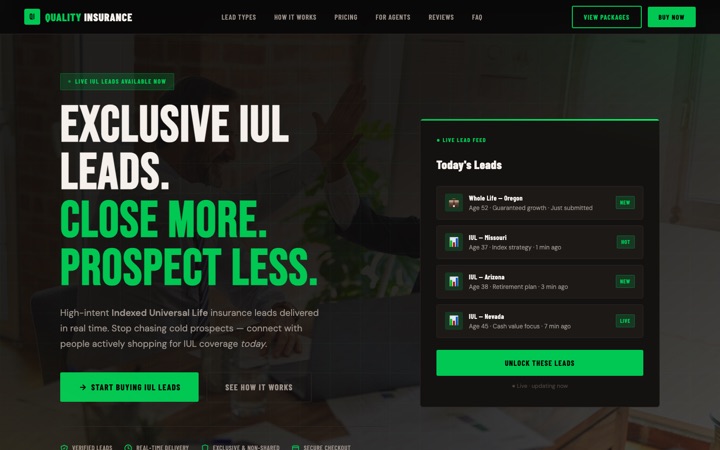
Insurance comparison and quote funnel, tuned for live conversion work.
Clarify the job, domain, buyer, tenant model, and first production route.
Start with the known stack and conventions so the agent can move fast.
Agents write, humans steer, tests keep the work inside the lane.
Push through GitHub, let Vercel deploy, then verify with evidence.
Health checks, logs, incidents, changelog, and the next dispatch.
APB should feel like a command desk: clipped, clear, field-tested, and useful. The metaphor is dispatch, but the product truth is operational leverage.
Use callsigns, case files, 10-codes, incident logs, and status boards. Avoid novelty copy where a real status signal works better.
File XXXXXXXX under: agentic systems that ship.